
Ilf and Petrov: A Slow Reading of the Soviet Epic
Faculty:
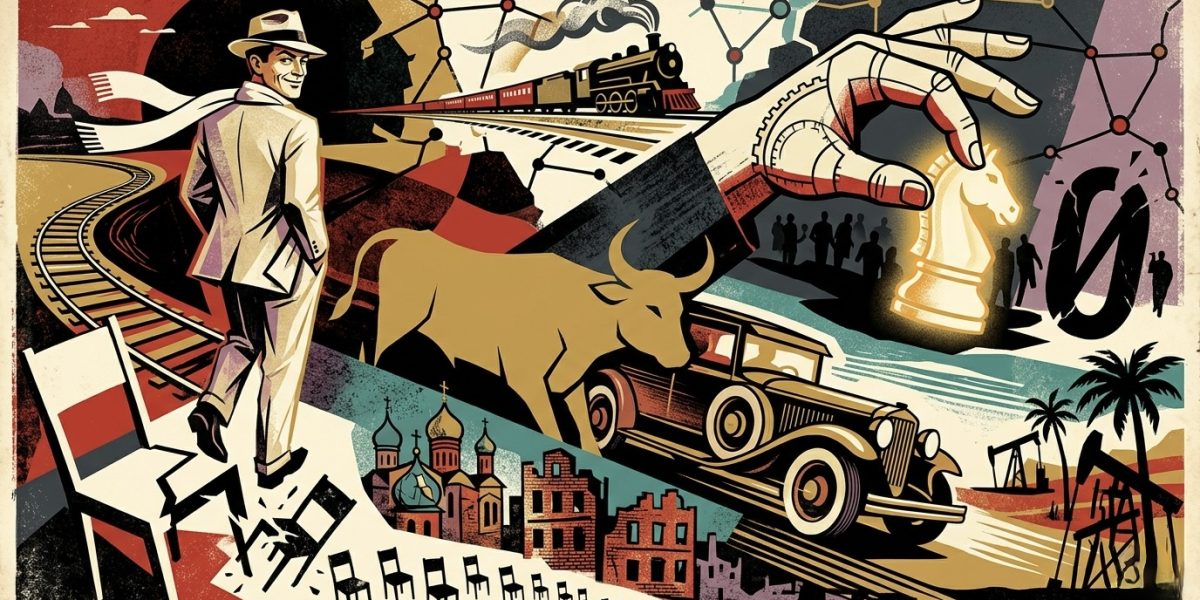
The definitive Soviet epic emerged not as a sincere celebration of civic values, but as a parodic and satirical force. In the wake of the moral catastrophes following the establishment of Soviet power, traditional family and social narratives became impossible to sustain. As Evgeny Petrov noted, irony remained the only viable positive value.
This course traces the rise of the Odessa (and broader Southern Russian) school of writing as it supplanted the Moscow and St. Petersburg literary traditions. We will examine how this movement, rooted in the works of Kuprin and developed by Babel and Olesha, gave birth to the Soviet picaresque novel. Central to our study is Ostap Bender — the Great Combinator — a trickster figure who foreshadowed iconic characters like Bulgakov’s Woland and the spy Stierlitz. Using the foundational commentaries of Yuri Shcheglov, we will analyze the evolution of these texts, the history of their twenty-year censorship, and the contours of the unfinished third volume of the trilogy.
Guidelines for the Statement of Purpose:
Craft a reflective statement of purpose explaining your interest in the Smolny Beyond Borders online course. The file should be saved with your name and course title as the filename and uploaded accordingly. Your statement’s clarity and substance will significantly influence our selection. Convey your motivations and aspirations for this course succinctly but thoroughly. Kindly write your statement in the course’s Language of Instruction. Please, do not use any AI tools to write or translate the text.