Cultural Revolution of the 1920s - 1930s: Political Theory, Social Practices, Artistic Forms
Faculty:
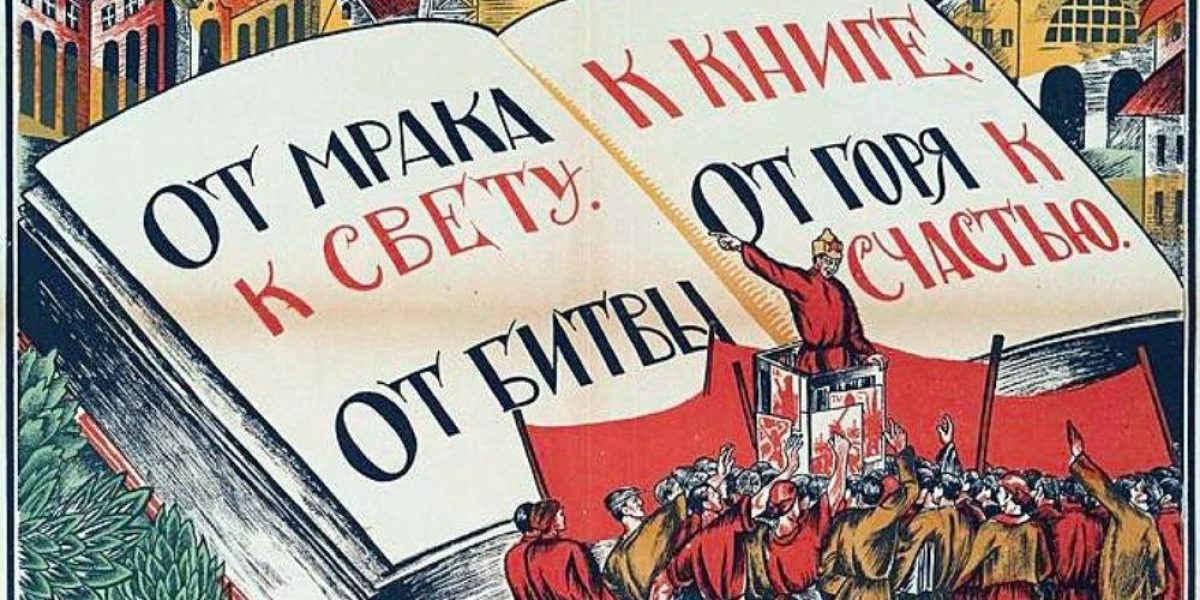
The course examines numerous artistic, scientific, and parascientific theories and practices of the 1920s and 1930s related to the construction of a new mentality (experiments in physiology, psychology, pedagogy, the philosophy of language, etc.) and a new Soviet everyday culture (from new practices of gender relations to the development of hygiene and physical education programs). All these theories, regardless of their degree of utopianism, were aimed at transforming individual subjectivity and collective identity: the construction of a new human being who would become the foundation for organizing a new type of collective. The experiments of the 1920s and 1930s are particularly interesting because they did not represent a single project, but, on the contrary, were a conglomeration of competing scientific, artistic, and ideological programs that played on the conflicting political interests of various political, social and artistic groups.
Guidelines for the Statement of Purpose:
Craft a reflective statement of purpose explaining your interest in the Smolny Beyond Borders online course. The file should be saved with your name and course title as the filename and uploaded accordingly. Your statement’s clarity and substance will significantly influence our selection. Convey your motivations and aspirations for this course succinctly but thoroughly. Kindly write your statement in the course’s Language of Instruction. Please, do not use any AI tools to write or translate the text.